



CYP3
CYP3A enzymes are major cytochrome P450 monooxygenases that catalyze the oxidative metabolism of endogenous steroids, lipids, and a large proportion of clinically used xenobiotics, thereby regulating drug clearance and systemic exposure[1][2]. Within the CYP3A subfamily, CYP3A4 is the predominant hepatic and intestinal isoform and contributes to the metabolism of approximately 30-50% of prescribed drugs, making it a central determinant of pharmacokinetic variability and drug-drug interactions[1][3]. Mechanistically, CYP3A enzymes localize to the endoplasmic reticulum and catalyze hydroxylation, epoxidation, and dealkylation reactions that facilitate the biotransformation and elimination of structurally diverse compounds[2][3]. Disease relevance emerges through their influence on therapeutic response, adverse drug reactions, and interindividual differences in drug disposition, particularly in the context of genetic polymorphisms affecting CYP3A activity[1][4]. Compared with CYP3A4, CYP3A5 displays distinct tissue distribution and substrate selectivity, contributes variably to total CYP3A-mediated metabolism, and has been implicated in specific metabolic and drug-resistance phenotypes that are not fully redundant with CYP3A4 function[2][3]. Structural and biochemical studies further demonstrate differential interactions of CYP3A4 and CYP3A5 with inhibitors, supporting isoform-selective modulation as a useful strategy for mechanistic pharmacology and experimental drug-metabolism research[2][5].
References:
- [1]. Zhang Y, et al. CYP3A4 and CYP3A5: the crucial roles in clinical drug metabolism and the significant implications of genetic polymorphisms. PeerJ. 2024 Dec 5;12:e18636. [Content Brief]
- [2]. Lan Y, et al. Novel radioligands for imaging sigma-1 receptor in brain using positron emission tomography (PET). Acta Pharm Sin B. 2019 Nov;9(6):1204-1215. [Content Brief]
- [3]. Wikipedia.
- [4]. Zhai Q, et al. Why We Need to Take a Closer Look at Genetic Contributions to CYP3A Activity. Front Pharmacol. 2022 Jun 16;13:912618. [Content Brief]
- [5]. Wikipedia.
- [6]. McConn DJ 2nd, et al. Differences in the inhibition of cytochromes P450 3A4 and 3A5 by metabolite-inhibitor complex-forming drugs. Drug Metab Dispos. 2004 Oct;32(10):1083-91. [Content Brief]
-
CYP3 Related Products (133)
Related Products (133)

-
Verapamil
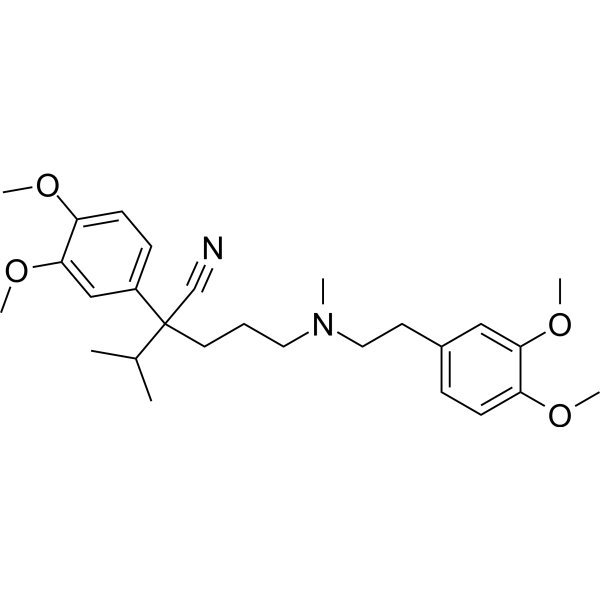 0 ImagesVerapamil ((±)-Verapamil) is a calcium channel blocker and a potent and orally active first-generation P-glycoprotein (P-gp) inhibitor. Verapamil also inhibits CYP3A4. Verapamil has the potential for high blood pressure, heart arrhythmias and angina research.
-
Verapamil hydrochloride
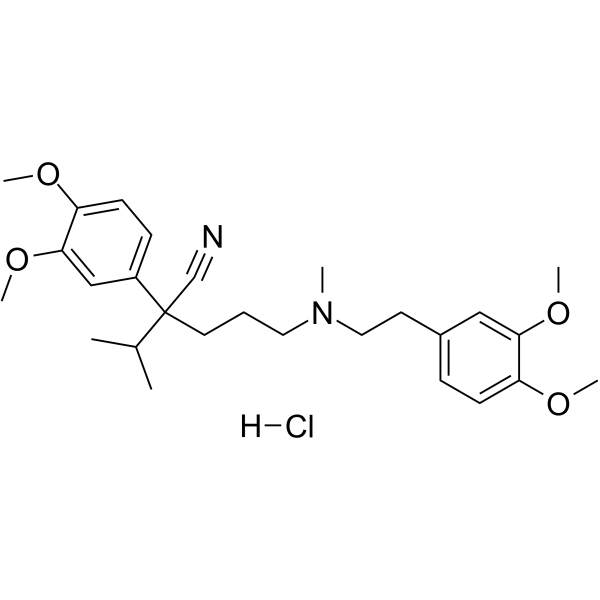 0 ImagesSynonyms: (±)-Verapamil hydrochloride; CP-16533-1 hydrochlorideVerapamil hydrochloride ((±)-Verapamil hydrochloride) is a calcium channel blocker and a potent and orally active first-generation P-glycoprotein (P-gp) inhibitor. Verapamil hydrochloride also inhibits CYP3A4. Verapamil hydrochloride has the potential for high blood pressure, heart arrhythmias and angina research.
-
1-Aminobenzotriazole
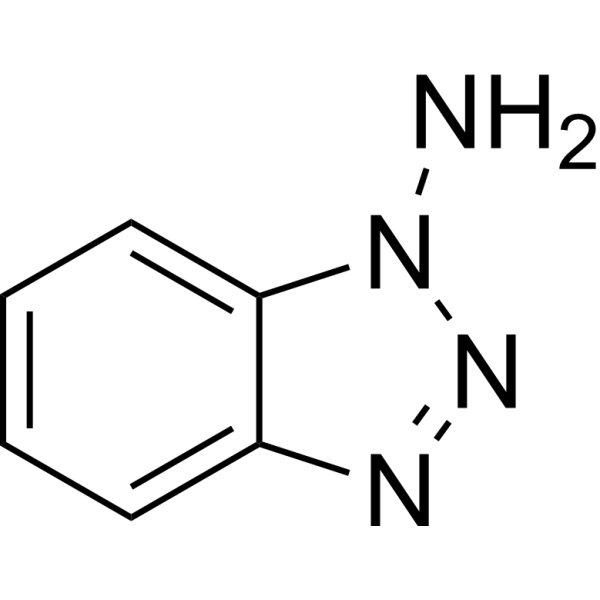 0 Images1-Aminobenzotriazole is a nonspecific and irreversible inhibitor of cytochrome P450 (P450).
-
Stiripentol
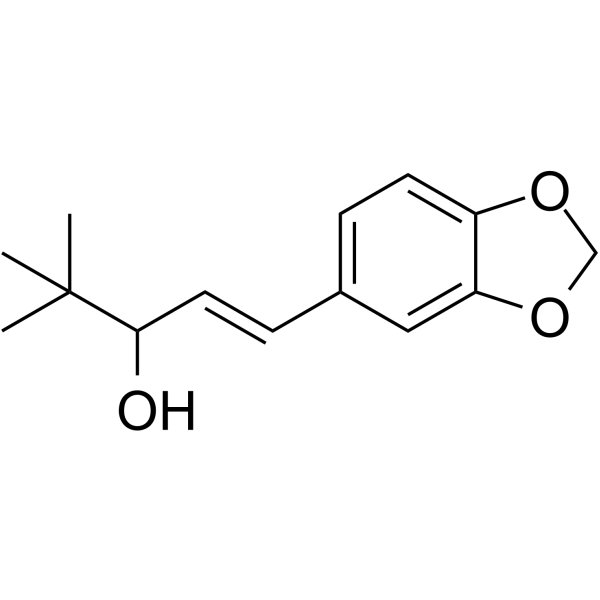 0 ImagesSynonyms: BCX2600
-
Conivaptan hydrochloride
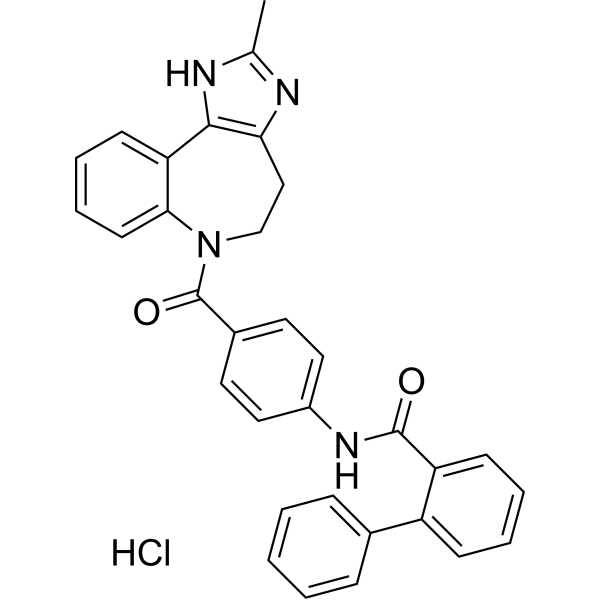 0 ImagesSynonyms: YM 087Conivaptan hydrochloride (YM 087) is an orally active dual vasopressin V1a/V2 receptor antagonist with Ki values of 0.48 nM and 3.04 nM for vasopressin V1a receptor and V2 receptor, respectively. Conivaptan hydrochloride competitively and reversibly blocks vasopressin-mediated antidiuresis, vasoconstriction, and cellular hypertrophy, while inhibiting CYP3A4. Conivaptan hydrochloride inhibits vasopressin-induced intracellular calcium, cAMP, and mitogen-activated kinase activation in vascular smooth muscle cells and cardiomyocytes. Conivaptan hydrochloride induces water diuresis while improving hemodynamics in heart failure models, reducing left ventricular end-diastolic pressure, vascular resistance, and organ weight. Conivaptan hydrochloride is used for research on hyponatremia and congestive heart failure.
-
Atazanavir
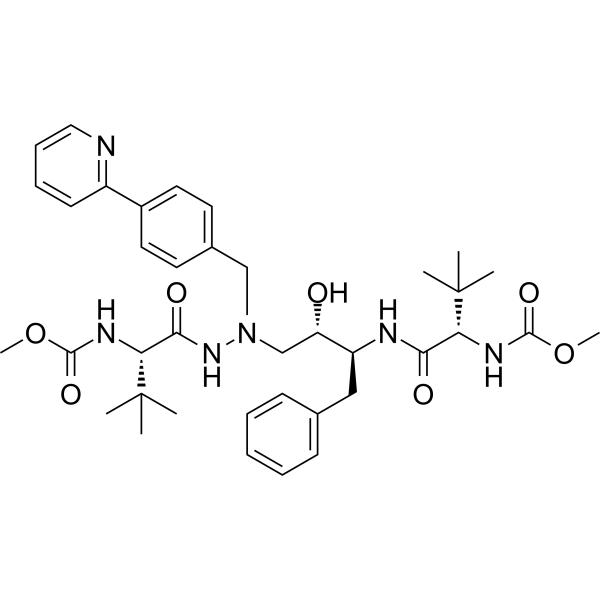 0 ImagesSynonyms: BMS-232632Atazanavir (BMS-232632) is a highly selective and orally active HIV-1 protease inhibitor . Atazanavir is a substrate and inhibitor of CYP3A4, and an inhibitor of P-glycoprotein (P-gp). Atazanavir is also a SARS-CoV 3CLpro inhibitor with an IC50 of 3.49 μM. Atazanavir inhibits cardiac fibrosis, hyperlipidemia and induces malignant glioma death.
-
Omeprazole
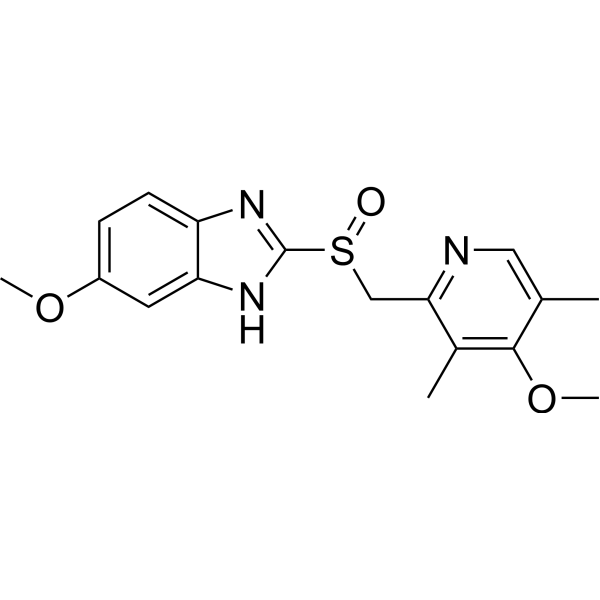 0 ImagesSynonyms: H 16868Omeprazole (H 16868) is an orally active H+,K+-ATPase inhibitor and a proton pump inhibitor. Omeprazole competitively inhibits CYP2C19, CYP3A4, and CYP2C9 activity. Omeprazole inhibits gastric acid secretion and can be used for acid-related gastrointestinal disorders. Omeprazole inhibits pancreatic cancer cell proliferation, induces apoptosis, autophagosome accumulation (elevated LC3-I and LC3-II levels), oxidative stress, and cytogenetic imbalance, modulates lysosomal transport, reduces inflammatory cytokines. Omeprazole alters small intestinal morphology and magnesium absorption, and induces gastric mucosa morphologic changes. Omeprazole aslo has neuroprotective and antibacterial effects.
-
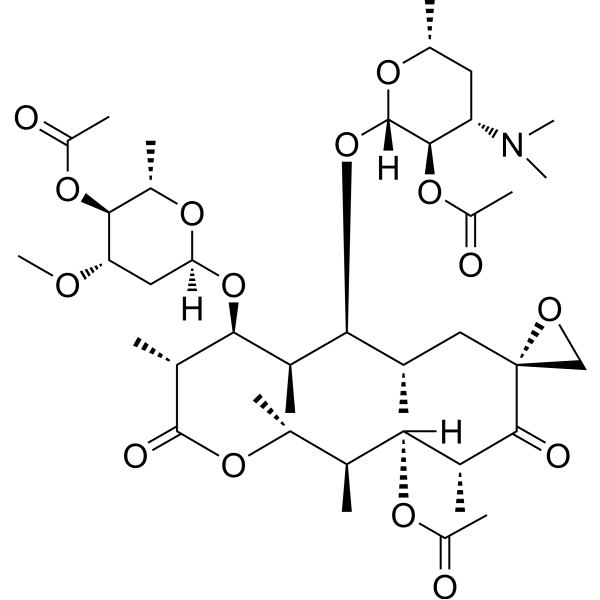
Clarithromycin
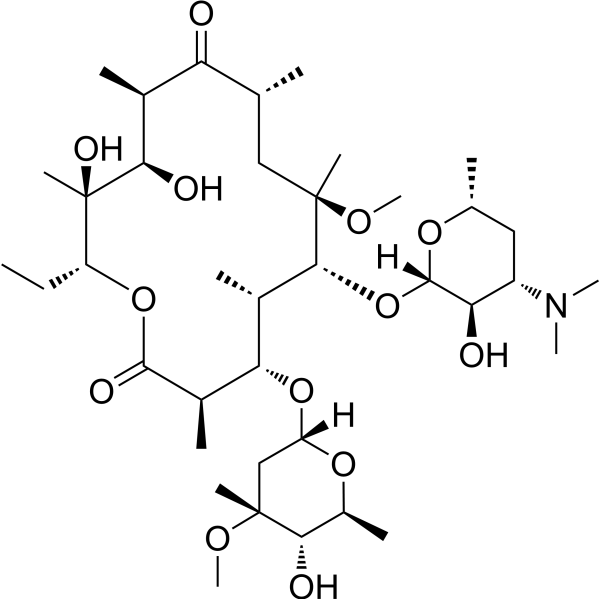 0 ImagesClarithromycin has a broad spectrum of antimicrobial activity. Clarithromycin inhibits the CYP3A4-catalyzed triazolam alpha-hydroxylation with the IC50 (Ki) value of 56 (43) μM. Clarithromycin significantly inhibits the HERG potassium current.Clarithromycin affects the autophagic flux by impairing the signaling pathway linking hERG1 and PI3K.
-
Gemfibrozil 1-O-β-glucuronide
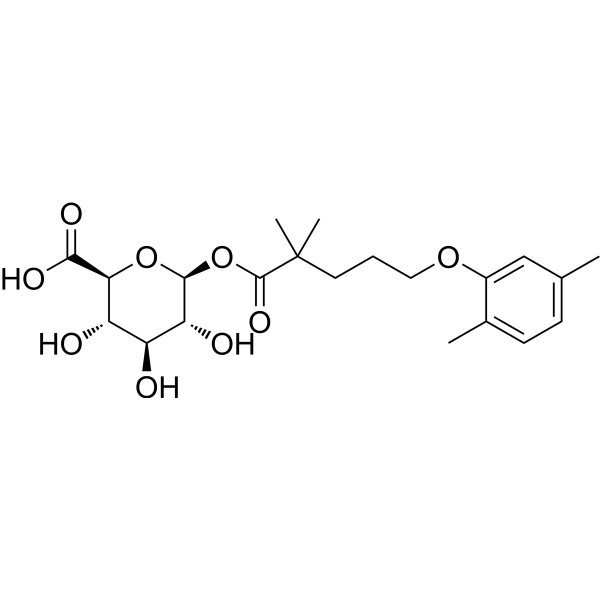 0 ImagesGemfibrozil 1-O-β-Glucuronide, a metabolite of Gemfibrozil (CI-719; HY-B0258), is a potent and competitive P450 (CYP) isoform CYP2C8 inhibitor with an IC50 of 4.07 μM.
-
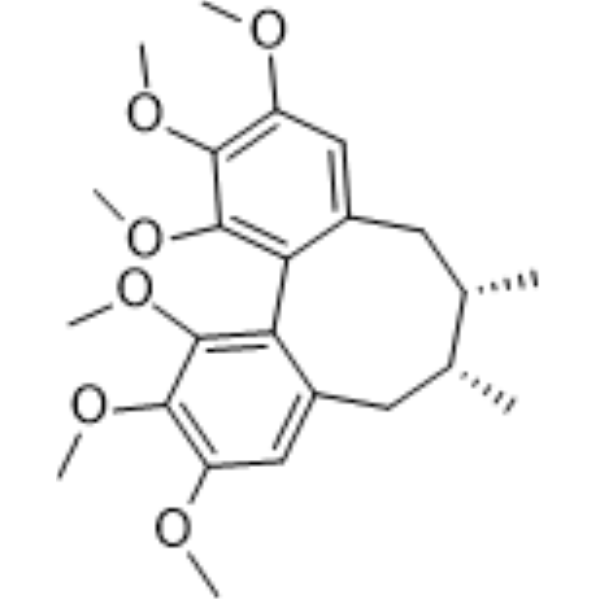
Cepharanthine
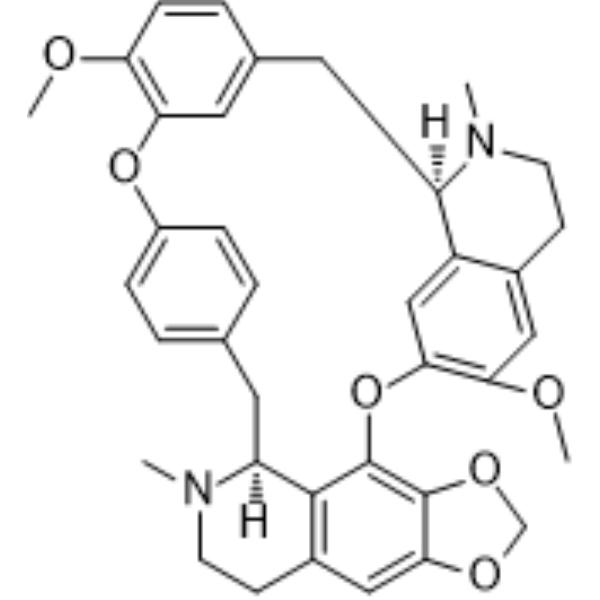 0 ImagesCepharanthine is a natural product that can be isolated from the plant Stephania cephalantha Hayata. Cepharanthine has anti-severe acute respiratory syndrome coronavirus 2 (anti-SARS-CoV-2) activities. Cepharanthine has good effective in suppressing viral proliferation (half maximal (50%) inhibitory concentration (IC50) and 90% inhibitory concentration (IC90) values of 1.90 and 4.46 μM. Cepharanthine can also effectively reverses P-gp-mediated multidrug resistance in K562 cells and increase enhances the sensitivity of anticancer agents in xenograft mice model. Cepharanthine shows inhibitory effects of human liver cytochrome P450 enzymes CYP3A4, CYP2E1 and CYP2C9. Cepharanthine has antitumor, anti-inflammatory and antinociceptive effects.
-
Cobicistat
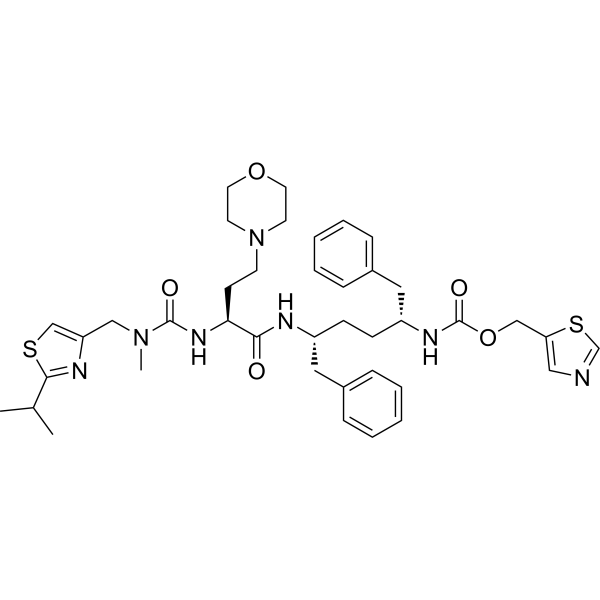 0 ImagesSynonyms: GS-9350Cobicistat is a potent and selective inhibitor of cytochrome P450 3A (CYP3A) enzymes with IC50s of 30-285 nM. Cobicistat is a pharmacokinetic enhancer which increases the overall absorption of several HIV medications.
-
Isavuconazole
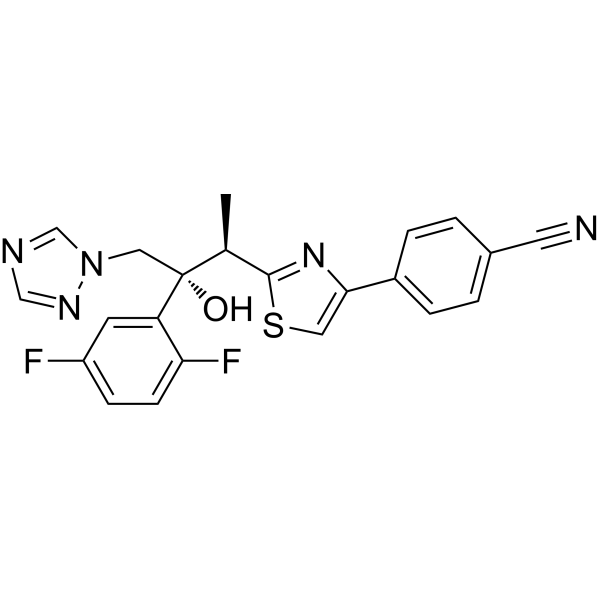 0 ImagesSynonyms: BAL-4815; RO-0094815Isavuconazole (BAL-4815) is a triazole proagent with antifungal activity against yeasts, molds, and dimorphic fungi. Isavuconazole inhibits ergosterol biosynthesis and results in the disruption of fungal membrane structure and function. Isavuconazole is a moderate inhibitor of CYP3A4.
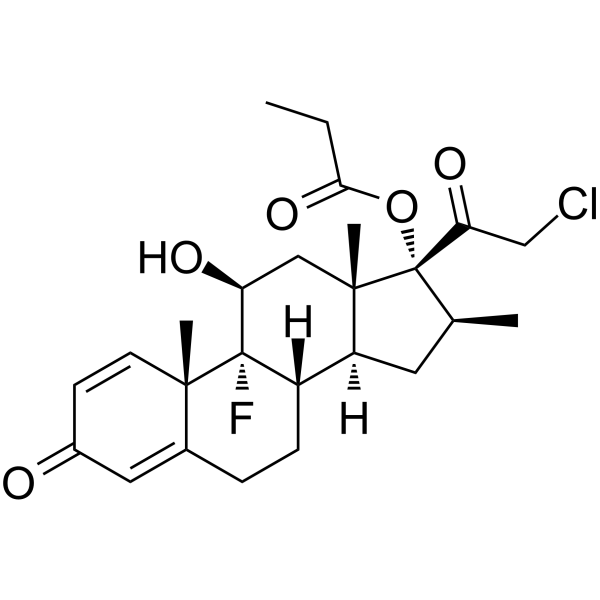
-
Tetrahydrocurcumin
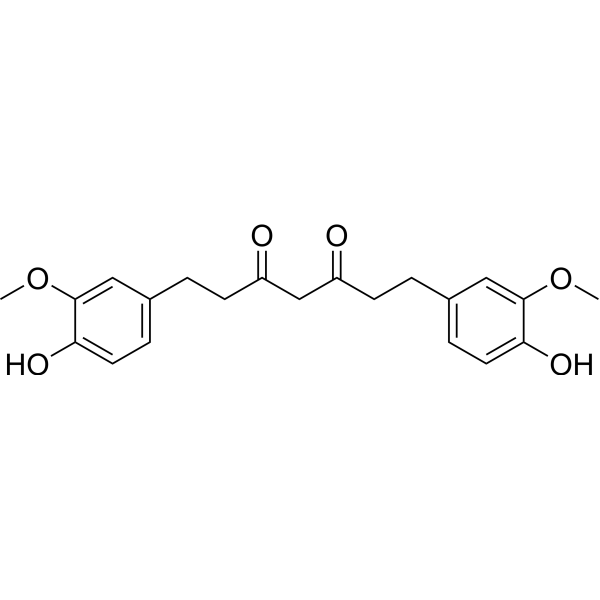 0 ImagesSynonyms: HZIV 81-2
-
Pregnenolone 16α-carbonitrile
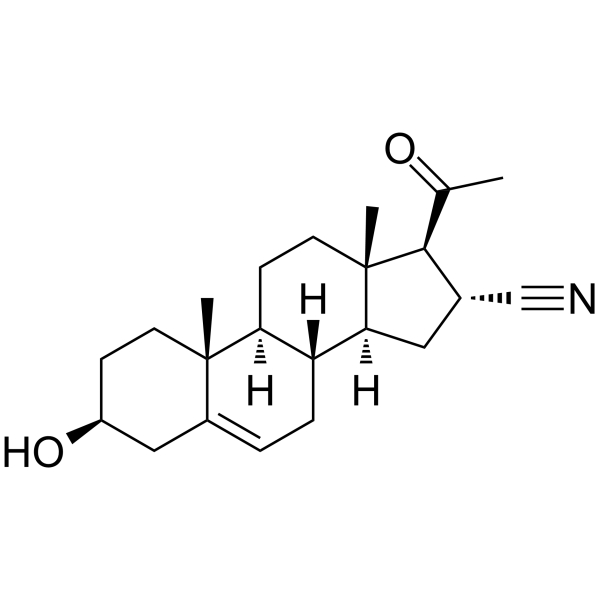 0 ImagesPregnenolone 16α-carbonitrile is an orally active prototypical and effective rodent-PXR activator. Pregnenolone 16α-carbonitrile, a synthetic steroid, induces cytochrome P450 3A expression. Pregnenolone 16α-carbonitrile exhibits increased resistance to subsequent stressful insults.
-
Ticlopidine
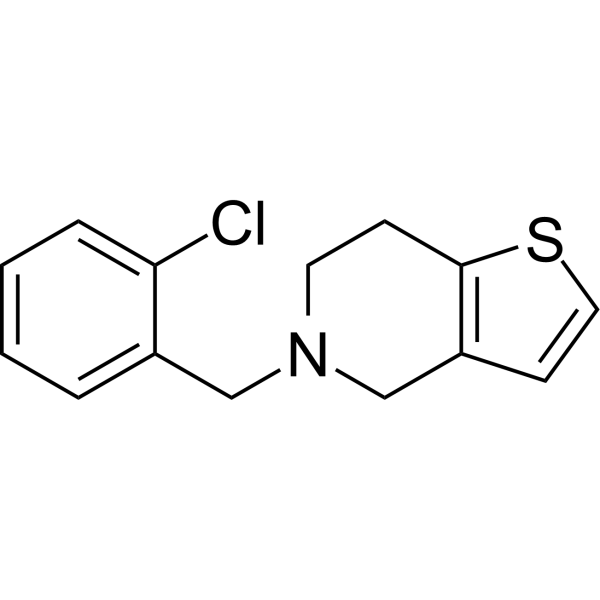 0 ImagesSynonyms: PCR 5332Ticlopidine (PCR 5332), an antithrombotic proagent, acts as an allosteric, noncompetitive inhibitor of CD39 with the IC50 of 81.7 μM. Ticlopidine blocks several NTPDase isoenzymes with IC50s of 170 μM and 149 μM for NTPDase2 and NTPDase3, respectively. Ticlopidine is an inhibitor of CYP2C19 human liver cytochrome. Ticlopidine inhibits CYP2C9 and CYP3A4 with IC50s of 26.0 and 32.3 μM, respectively.



